Source Truck Brake Chamber for Trucks, Trailers, and Heavy Vehicles
Compare 30 verified truck brake chamber options from Chinese manufacturers. Buyers can evaluate specifications like stroke, thread types, and materials including steel and rubber for various truck and trailer applications; compare the available evidence and request quotations based on your requirements.
Key considerations
Products List




Comprehensive Sourcing Guide
Truck Brake Chamber Sourcing Guide
Procuring reliable truck brake chambers requires a disciplined approach to technical verification and supplier qualification. These critical components convert compressed air into mechanical force, ensuring heavy-duty vehicles maintain safe stopping power under varying loads. Buyers must prioritize precision engineering and material integrity to prevent catastrophic failures in fleet operations. The global supply chain offers diverse options, but consistency in manufacturing standards remains the primary indicator of long-term reliability and operational safety.
This guide outlines the essential steps for evaluating potential suppliers and validating product specifications. It focuses on observable listing signals, technical parameters, and compliance documentation that directly impact procurement decisions. By adhering to these evidence-based criteria, sourcing professionals can mitigate risks associated with counterfeit parts, substandard materials, and non-compliant manufacturing processes. The goal is to establish a robust supply chain that supports fleet maintenance schedules and ensures regulatory adherence across international markets.
Product Scope and Observed Listing Signals
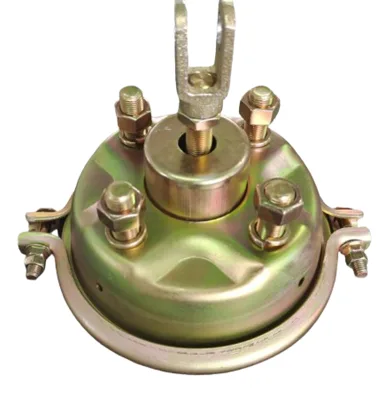
Market listings for truck brake chambers frequently highlight specific model numbers such as T3030, T2424, and LHC-T3030, which correspond to distinct stroke lengths and mounting configurations. Buyers should observe that materials are predominantly listed as steel, iron, or combinations with rubber diaphragms, indicating the structural and sealing components essential for air pressure conversion. Packaging methods vary from neutral cartons to pallets and crates, reflecting different logistical needs for bulk versus individual unit shipments. These signals help buyers identify suppliers who specialize in specific chamber types rather than generic automotive parts.
The observed price range and minimum order quantities suggest a flexible market catering to both small repair shops and large fleet operators. Customization options are often available, allowing for tailored solutions such as specific air inlet threads or push rod dimensions. Listings also emphasize after-sales support, including 24-hour online assistance, which is crucial for minimizing downtime in commercial transport operations. Understanding these listing characteristics enables buyers to filter suppliers based on their capacity to meet specific volume requirements and technical customization needs.
Technical Specifications to Verify
Verifying technical specifications is paramount to ensuring compatibility with existing truck brake systems. Key parameters include the stroke length, which is often listed as 64mm for certain models, and thread specifications for air inlet, push rod, and mounting bolts. Buyers must confirm that these dimensions match their vehicle’s requirements to prevent installation failures or performance issues. The model numbers, such as T2430 or JZ-QS2901, serve as primary identifiers, but cross-referencing with OEM standards is necessary to avoid mismatches in physical dimensions and operational characteristics.
Material composition and weight are also critical verification points. Chambers are typically constructed from steel or iron, with rubber components for the diaphragm, and weigh approximately 9.5kg or 8.9kg depending on the model. Buyers should request detailed technical drawings or datasheets to confirm these attributes, especially when sourcing from new suppliers. Additionally, verifying the condition as "New" and the purpose as "Replace/Repair" ensures that the parts are suitable for immediate installation without requiring extensive modification or refurbishment processes.
Compliance and Safety Documentation
Compliance with international standards is a non-negotiable aspect of sourcing truck brake chambers. Certifications such as ISO/TS are frequently cited, indicating adherence to quality management systems that ensure consistent manufacturing processes. Buyers must verify that these certifications are current and applicable to the specific product line being purchased. Documentation should also include test reports or quality control records that demonstrate the chamber’s ability to withstand operational pressures and environmental conditions, providing assurance of safety and reliability.
Regulatory compliance extends beyond manufacturing standards to include market-specific requirements. Suppliers operating in regions like North America, Europe, or Asia must adhere to local safety regulations, which may dictate additional testing or labeling requirements. Buyers should request certificates of conformity and material safety data sheets to ensure that the products meet all relevant legal and safety obligations. This diligence helps prevent legal liabilities and ensures that the brake chambers can be legally installed and operated in the target market.
Cost Drivers and Commercial Terms
Several factors influence the total cost of ownership for truck brake chambers, including material costs, manufacturing complexity, and logistics. Steel and iron prices fluctuate, directly impacting the base cost of the chambers, while customization options such as specific thread types or packaging can add to the final price. Buyers should analyze the unit price in the context of the minimum order quantity, as larger volumes often yield better pricing but require greater storage capacity and capital investment. Understanding these cost drivers allows for more accurate budgeting and negotiation strategies.
Commercial terms such as payment methods, lead times, and warranty policies significantly affect the procurement process. Suppliers may offer flexible payment terms for repeat customers, but new buyers should prioritize secure transaction methods to mitigate financial risk. Lead times can vary based on production schedules and shipping distances, so buyers should establish clear expectations for delivery dates. Additionally, warranty terms should be clearly defined to cover defects or premature failures, providing a safety net for the investment and ensuring supplier accountability for product quality.
Supplier Qualification and Quality Control
Supplier qualification involves a thorough assessment of manufacturing capabilities, quality control processes, and business stability. Buyers should verify the supplier’s production facilities, including equipment for machining steel and iron components and assembly lines for final product integration. Quality control measures, such as incoming material inspections and final product testing, are essential indicators of a supplier’s commitment to consistency. Requesting audit reports or third-party verification of these processes can provide additional confidence in the supplier’s ability to deliver high-quality products.
Business stability and reputation are also critical factors in supplier selection. Buyers should review the supplier’s history, including years in operation, client testimonials, and market presence in regions like South America, Africa, or Eastern Europe. A supplier with a strong track record is more likely to provide reliable after-sales support and maintain consistent product quality over time. Engaging in direct communication with the supplier’s technical and sales teams can further reveal their expertise and responsiveness, helping buyers make informed decisions about long-term partnerships.
Long-Term Procurement Checks
Establishing long-term procurement checks ensures sustained quality and performance from the supply chain. Regular audits of incoming goods, including visual inspections and functional tests, help identify any deviations from agreed specifications early in the process. Buyers should implement a feedback loop with their suppliers to address any issues promptly and continuously improve product quality. This proactive approach minimizes the risk of widespread defects and maintains the integrity of the fleet’s braking systems.
Continuous monitoring of supplier performance metrics, such as on-time delivery rates and defect percentages, provides valuable data for evaluating the partnership. Buyers should review these metrics periodically and adjust their sourcing strategies accordingly, potentially diversifying suppliers to mitigate risks. Additionally, staying informed about industry trends and technological advancements in brake chamber design can help buyers anticipate future needs and upgrade their procurement criteria. This ongoing diligence ensures that the supply chain remains robust, efficient, and aligned with the evolving demands of commercial transport operations.
FAQs
What models of truck brake chamber are available for trailers and trucks?
Listed products cover common service and spring brake chamber models, including T16, T20, T24, T30, T3030, T2424, T2430, LHC-T3030, and JZ-QS2901. Availability varies by supplier, so confirm the exact model number and size matching your trailer or truck axle configuration before ordering, especially for rear-axle drum brake applications.
How is a truck brake chamber packed for shipping?
Suppliers typically pack brake chambers in cartons, often with a plastic bag inside, and pallets or wooden crates for bulk orders. Some listings also offer neutral or colored packaging. Confirm carton dimensions, such as 521 by 273 by 222 millimeters for certain models, and pallet arrangements with the supplier before shipment.
Can truck brake chambers be customized for specific requirements?
Yes, customization is listed as available for several products. Buyers can request OEM or ODM production, and some suppliers accept customized specifications. Provide your required model, stroke, thread types, and packing preferences when requesting quotations, since customization scope, tooling costs, and minimum order quantities differ between manufacturers and must be confirmed directly.
Which thread specifications should I confirm before ordering a brake chamber?
Check the air inlet thread, push rod thread, and mounting bolt thread against your vehicle. A listed example uses a 3/8-18UNF-2A air inlet, a 5/8-18UNF-2A push rod thread, and 5/8-11UNC-2A mounting bolt threads. Matching these threads prevents fitment problems during replacement or repair of drum brake rear axles.
What certifications do truck brake chamber suppliers hold?
Listed suppliers reference ISO and TS certifications, and some products reference OEM and ODM standards. Certification scope varies by factory, so request the current certificate documents for the specific chamber model you intend to purchase. Verify that the certificate covers the production line supplying your order rather than relying on general claims.
How much does a typical truck brake chamber weigh and what stroke does it offer?
Weights vary by model; listed examples include approximately 8.9 kilograms and 9.5 kilograms. Stroke for a listed T2430 spring brake chamber is 64 millimeters. Always compare the weight and stroke against the original part on your trailer or truck, because dimensions affect push rod travel and braking performance.
Which markets do these truck brake chamber suppliers export to?
Listed main markets include North America, South America, Eastern Europe, Western Europe, Northern Europe, Southern Europe, Southeast Asia, Eastern Asia, the Middle East, Africa, Oceania, Central America, South Asia, and the domestic market. Coverage differs by supplier, so confirm export experience, documentation, and shipping terms for your destination before placing an order.
Can I get after-sales support when buying truck brake chambers?
Several listings advertise 24-hour online after-sales service, and OEM support is offered on many products. Support quality varies by supplier, so agree in advance on response times, warranty handling, and replacement part availability. For repair and replacement purposes, keep the model number and vehicle application details ready when contacting the seller.